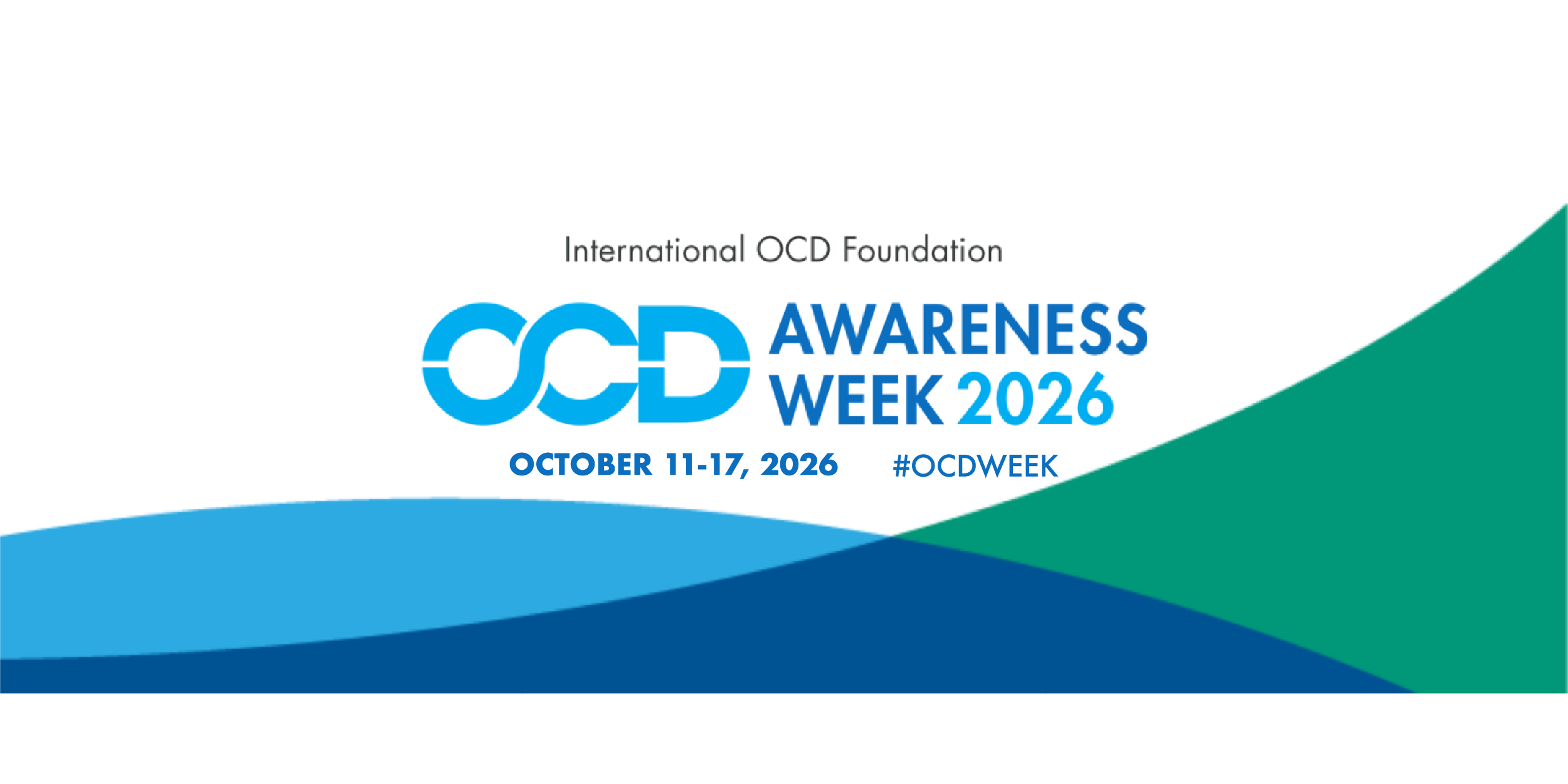
OCD Awareness Week 2026: That’s OCD
October 11–17, 2026
OCD Is More Than You Think
OCD doesn't always look the way you might expect. It isn't just about being organized, liking things clean, or wanting everything to be perfect. Obsessive-compulsive disorder (OCD) is a mental health condition that can affect the way a person thinks, feels, and experiences everyday life.
This OCD Awareness Week, we're recognizing the many ways OCD can show up, including experiences that often go unnoticed or misunderstood. Because sometimes, understanding begins with realizing that what someone is experiencing may be OCD.
OCD Can Look Different for Everyone
For some, OCD may involve repeated checking, cleaning, or arranging. For others, the struggle may be largely invisible to the people around them.
OCD can involve unwanted intrusive thoughts, fears about harming someone you love, doubts about relationships, replaying conversations, repeatedly seeking reassurance, or mentally reviewing events to feel certain that nothing went wrong.
These experiences can be confusing, distressing, and difficult to explain. Compulsions aren't always physical or visible; they can take place entirely in someone's mind.
OCD can also make people question what their thoughts mean about them, even when those thoughts are unwanted and go against their values.
OCD is not a personality quirk, and it doesn't look the same for everyone.
“That's OCD”: Challenging Misconceptions
One of the biggest barriers to understanding OCD is the belief that it only involves cleanliness, organization, or perfectionism. These stereotypes can make it harder for people whose experiences don't fit those expectations to recognize their symptoms or seek support.
By learning about the different ways OCD can present, we can help reduce stigma, encourage more compassionate conversations, and make it easier for people to feel understood rather than judged.
You never know what someone may be experiencing beneath the surface. Listening without assumptions can make a meaningful difference.
Effective Treatment Can Help
If you recognize some of these experiences in yourself or someone you care about, know that support is available.
Evidence-based treatments for OCD include Cognitive Behavioral Therapy (CBT), particularly Exposure and Response Prevention (ERP). ERP helps people gradually face the thoughts, situations, and uncertainties that trigger anxiety while learning to resist compulsions. Over time, this can help reduce the hold OCD has on daily life.
At OATH Therapy, we provide compassionate, evidence-based care for children, teens, college students, and adults navigating OCD and anxiety. Our goal is to help each person better understand their experience, develop practical skills, and move toward a life guided by their values rather than fear.
You don't have to navigate OCD alone.
Help Us Spread Awareness
This OCD Awareness Week, let's challenge misconceptions, make room for lived experiences, and recognize the many ways OCD can affect people's lives.
When we share accurate information and listen with compassion, we help others feel less alone.
Together, we can build understanding and break the stigma.