

Back-to-School Anxiety: When Avoidance Feels Helpful but Keeps You Stuck
Megan Pike, MEd, LPC-Associate (Supervised by Saharah Shrout, LPC-S)
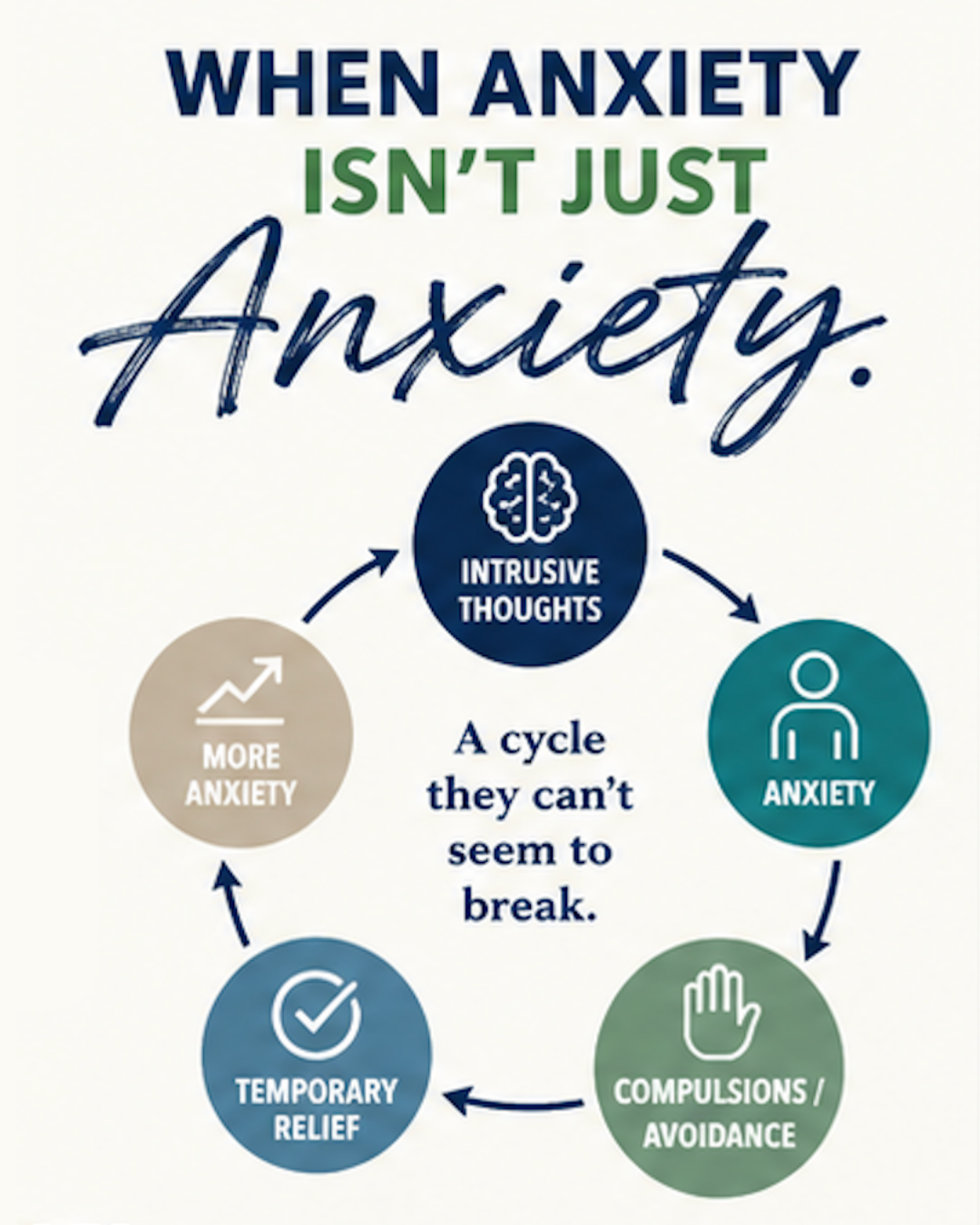
Starting a new school year often brings a mix of excitement and nerves, for both students and parents. Adapating to all of the newness of changing routines, academic expectations, and social challenges can make anxiety feel especially intense during this transition. As a parent, it can be difficult to watch your child struggle, and the instinct to help them avoid stressful situations is completely understandable. However, while avoidance may provide short-term relief, it can unintentionally teach anxiety that those situations are dangerous, making it even harder for children to face them with confidence in the future.
At OCD & Anxiety Treatment of Houston, we collaborate with families to recognize the difference between protecting themselves from real danger and avoiding situations that anxiety simply labels as "too hard." Learning to notice avoidance is an important first step toward building confidence.
Key Insight
Avoidance can feel helpful in the moment, but it can unintentionally strengthen anxiety over time.
What Is Avoidance?
Could This Be Avoidance?
Avoidance is any behavior that helps you escape or prevent uncomfortable thoughts, feelings, or situations. Although it can reduce anxiety in the moment, it teaches your brain that the situation was actually dangerous, even when it wasn't.
Why this topic matters
Avoidance is one of the most common processes maintaining anxiety across diagnostic presentations and developmental stages.Common referral concerns: School refusal, social withdrawal, excessive reassurance-seeking, perfectionism, academic avoidance, and anxiety-related functional impairment.
Treatment considerations: Identifying avoidance patterns and increasing willingness to engage in valued activities despite anxiety are often important treatment targets.
When specialty treatment may be indicated: When anxiety or OCD begins interfering with school attendance, academic performance, friendships, extracurricular involvement, or family functioning.
How to Respond Differently
Rather than waiting until anxiety disappears, practice taking one small step while bringing your anxiety along for the ride. This approach is often used in ERP therapy, where people gradually face feared situations instead of avoiding them.
For example:
- A student who fears speaking in class might start by answering one simple question each week.
- Someone who worries about making mistakes could intentionally submit an assignment without checking it repeatedly.
- A student who avoids social situations might sit with classmates for five minutes at lunch before returning to a familiar routine.
"The goal isn't to eliminate anxiety immediately. It's to show your brain that you can handle discomfort and that anxiety doesn't have to make your decisions."
As the school year begins, remember that feeling nervous doesn't mean you're doing something wrong. Growth often comes with uncertainty. If anxiety or OCD starts interfering with school, friendships, or daily life, support is available. Whether you're exploring anxiety treatment Houston or learning new coping skills, you don't have to face these challenges alone. With practice, patience, and the right tools, students can learn to respond to anxiety with courage instead of avoidance, one day at a time.
Parent Notes
- Notice when anxiety may be encouraging avoidance.
- Focus on progress rather than immediate comfort.
- Encourage small, manageable steps toward feared situations.
- Recognize effort and willingness, not just outcomes.
Support for School Anxiety and OCD
If anxiety or OCD is making the transition back to school difficult, OATH Therapy provides evidence-based treatment for children, teens, and young adults. Our team specializes in helping individuals build confidence, develop flexibility, and learn to navigate uncertainty while moving toward the life they want to live.
-
Avoidance is any behavior that helps a person escape or prevent uncomfortable thoughts, feelings, or situations.
-
Avoidance can teach the brain that a situation is dangerous, even when it is not.
-
Examples may include skipping class, avoiding social situations, delaying assignments, or seeking excessive reassurance.
-
Exposure and Response Prevention (ERP) is an evidence-based approach that helps people gradually face feared situations instead of avoiding them.
-
If anxiety or OCD begins interfering with school, friendships, daily functioning, or overall quality of life, professional support may be beneficial.