
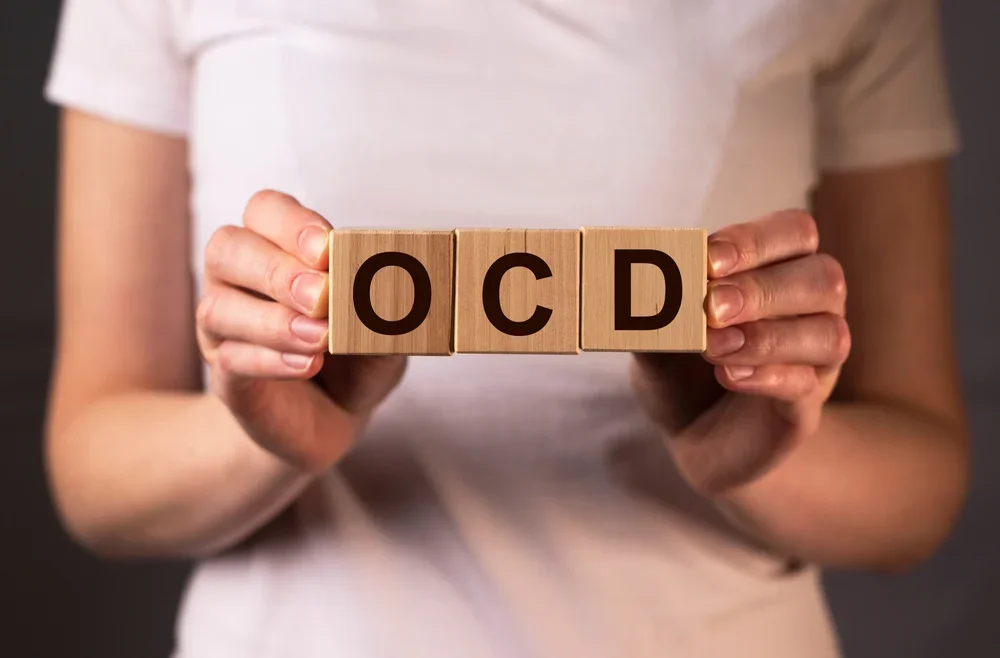
People have come to use "OCD" as slang and shorthand for being tidy, organized, or perhaps a bit fussy.
But true obsessive-compulsive disorder is no joke. It's a serious, debilitating, anxiety-driven condition.
The purpose of this post is not to diagnose. Instead, it's to give indicators you might use to seek a diagnosis, or to seek therapy if you resonate with some of these indicators and find they are making your life harder.
What are the common myths of OCD?
The top three common myths are:
Myth: OCD is about being neat or wanting to have your environment "just so."
Fact: OCD is not a personality quirk. It's a neurological disorder involving cycles of intrusive thoughts and distress. Compulsions such as organization are driven by fear, not preference.
Myth: Compulsions are always visible.
Fact: Compulsions can be mental and invisible: reviewing facts, praying, and checking feelings can all happen under the surface.
Myth: You can simply "stop" having these thoughts or engaging in compulsions. Fact: Trying to suppress obsessions tends to make them worse. Compulsions provide temporary relief from extreme anxiety, which makes them feel necessary. Willpower has nothing to do with OCD.
What are obsessions?
Obsessions are unwanted, intrusive thoughts, images, or urges that cause significant feelings of fear, guilt, or disgust. They are not in line with a person's true beliefs, values, or desires.
Examples include:
- Fear of causing harm
- Fear of contamination
- Fear of violating taboos
Each obsession triggers deep, intense, overwhelming anxiety.
What are compulsions?
Compulsions are mental or physical actions that a person performs to reduce the anxiety or prevent a feared outcome.
Examples include:
- Excessive washing
- Checking and re-checking locks
- Seeking reassurance
- Mentally reviewing conversations
The compulsion provides temporary relief, but the obsession usually returns, stronger than ever. This cycle becomes a trap.
Many compulsions can consist of mental rituals that are not apparent to other people.
What is the impact of OCD? What does it really look like?
OCD can consume hours of a sufferer's day. It can interfere with work, relationships, and daily functioning, and it causes profound emotional pain.
But it's also treatable. Here at Oath Therapy, we offer effective, evidence-based treatment.
If you recognize these patterns in yourself or a loved one, please know that you don't need to manage OCD alone. Reach out to a specialist for an assessment and to explore treatment options. Oath Therapy is here to help.